


The Spoon That Makes or Breaks Your Scoop Shop: Why Ice Cream Spoons Deserve Your Attention
Ask any owner what keeps them up at night, and you'll hear about rent, staffing, or the price of dairy. Almost nobody says "spoons." But at The Ice Cream Boot Camp, Tie-Dye Jeff has built a reputation on paying attention to the things everyone else overlooks - and spoons top that list!

Jeff has been in the ice cream business for over 30 years, starting as a solo-entrepreneur like yourself, after a career as a photographer in Bocca Rotan, FL. Jeff took a class and then opened the original Mystic Ice Cream on Highway 466A in Fruitland Park, FL.
Jeff then went on to sell Mystic Ice Cream to one of his Ice Cream Boot Camp Students.
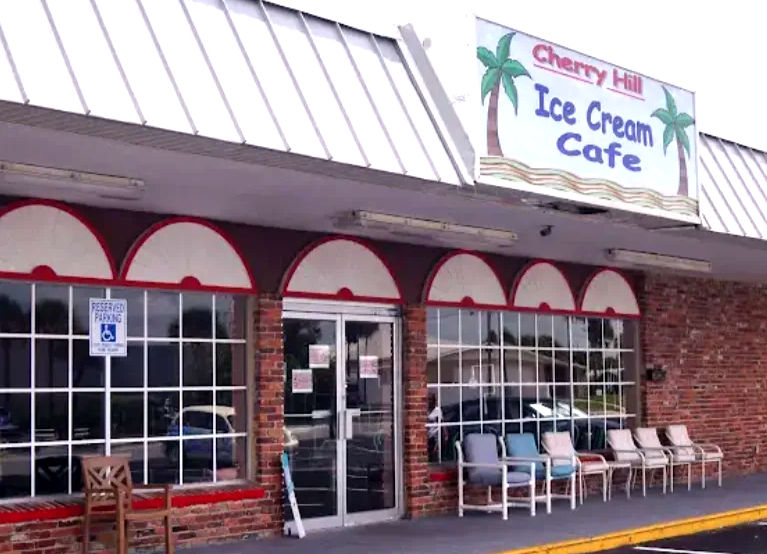
After a month of being "retired for the 2nd time, Jeff was bored from life in Daytona Beach. He then set-out to open a second store with a partner. The business quickly became successful that the partner bought-out Jeff and went on his own. That store is Cherry Hill Ice Cream in Daytona Beach Shores, FL.
Tie-Dye Jeff was the inventor of "Boozy Ice Cream". His nickname comes from the tie-dye shirt he wore on opening day of his very first shop - a shirt he still wears to every Boot Camp session as a reminder of where he started. Over the decades, Jeff has watched shops succeed or struggle over details so small that most owners never think twice about them.
The Ice Cream Spoons - a First Impression
Before a customer buys a scoop, they usually try a sample. That sample is often the very first physical interaction someone has with your product - and Jeff argues it shapes their expectations more than people realize.
"You could have the best ice cream in the state," Jeff tells his students, "but if the spoon feels flimsy or the sample feels stingy, customers walk away with a bad taste, literally and figuratively." A spoon that bends, snaps, or feels cheap in the hand undercuts the premium experience many shops are trying to sell. It's a small moment, but small moments add up to a brand impression.

If you choose to buy 1000 spoons and the size of the scoop is too deep, it will leave customers with a sense of "I left some ice cream on the spoon" feeling. Typically, customers want one taste of ice cream per dip. You want a spoon with medium depth, so the ice cream slides off smoothly, and cleanly.
Getting the Size Right
One of the most common mistakes new shop owners make, according to Jeff, is picking spoon size purely based on cost. Buying the cheapest bulk spoons might look like savings on paper, but if the spoon is too small, customers ask for extra tastes before they commit to a purchase, sometimes trying three or four flavors before buying nothing at all.
Go too big, though, and you run into the opposite problem. Jeff calls oversized samples "giving away the store one spoon at a time." If a tasting spoon delivers almost as much ice cream as a kid's cone, you've essentially handed over free product and trained your customers to expect it every time they visit.
The right size threads the needle: enough ice cream to genuinely showcase the flavor, texture, and quality of the product, but not so much that it satisfies the craving. Jeff's rule of thumb from decades of trial and error: the sample should intrigue, not fill.
Material Makes a Difference
Size isn't the only variable. Jeff is equally particular about what the spoon is made of. Wooden tasting spoons are cheap and widely used, but they can splinter, retain odors from one flavor to the next, and feel low-quality in a customer's hand. Plastic spoons tend to be sturdier, but not all plastic is created equal, thin, brittle plastic can crack under harder ice creams or gelato, leaving customers with a broken spoon and a bad experience.
For the larger serving spoons and scoopers used behind the counter, Jeff emphasizes durability and ergonomics even more. Staff members handle these tools hundreds of times during a single shift. A scoop that doesn't match the density of your product, say, a standard scoop used on a rock-hard gelato, can slow down service and cause real physical strain on your team over time. Jeff has seen shops cut scooping time significantly during rush hours simply by upgrading their equipment to match their product.
A Low-Cost Fix With High-Value Returns
What makes spoon strategy such a valuable lesson for Boot Camp students is how quickly it can be corrected. Unlike a full menu overhaul or a storefront renovation, fixing your spoon program can happen with your next supply order. It's one of the fastest, cheapest improvements available to any shop owner.
Jeff encourages every student to treat their spoon audit with the same seriousness as their recipe development. Hold the spoon yourself. Take a sample the way a customer would. Time how long it takes staff to serve a scoop during a busy stretch. These small checks reveal a lot about whether your operation is running smoothly, or quietly losing money one interaction at a time.
The Takeaway
Ice cream is an industry built on details, and the spoon is one detail too many shop owners never examine. Get it right, and it becomes invisible, a seamless part of a great customer experience. Get it wrong, and it chips away at sales and service, sample by sample.
As Tie-Dye Jeff puts it to every new Boot Camp class: "I've seen great ice cream fail because of a bad spoon. Don't let yours be next."
Comments